FIREWOOD FACTORY
No Bark. No Bugs. No Mess
Colorado’s premium processed firewood — cleaner and better for the forests you love.
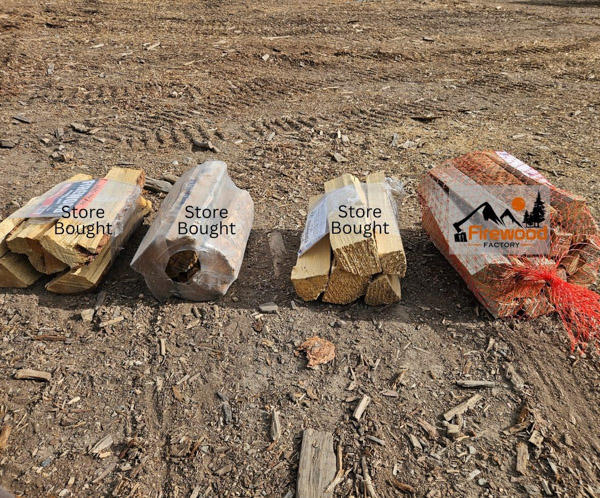
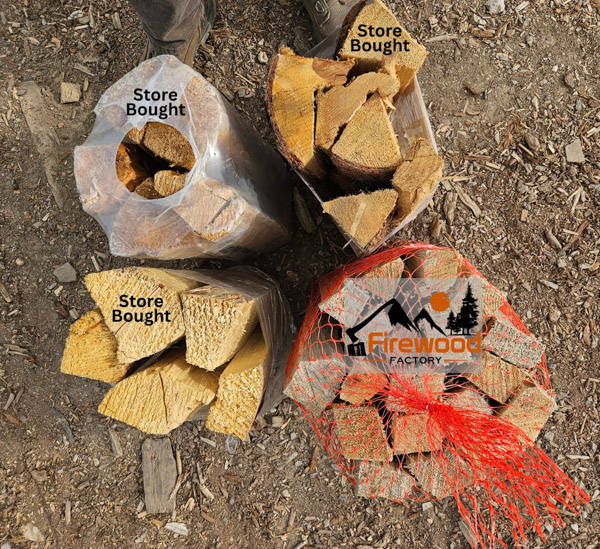
Higher Quality, Better Bundles That Sell Quickly
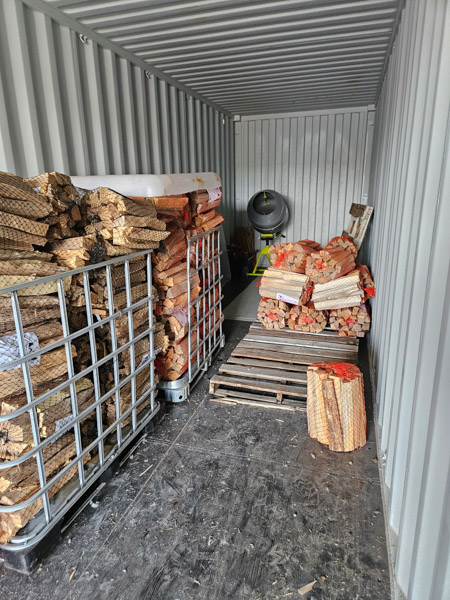
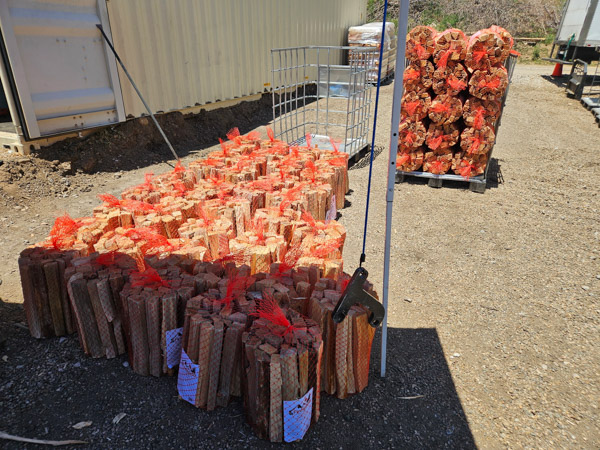
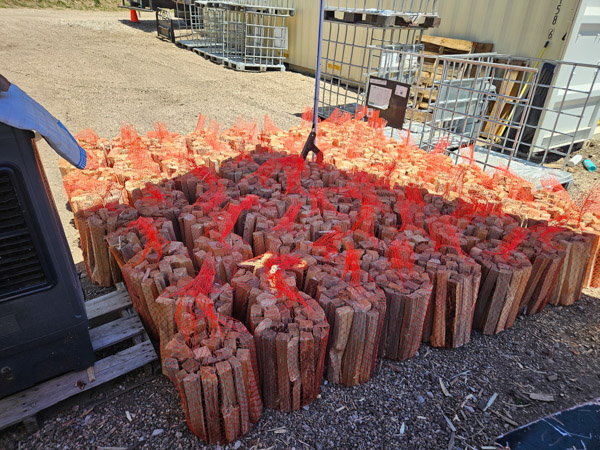
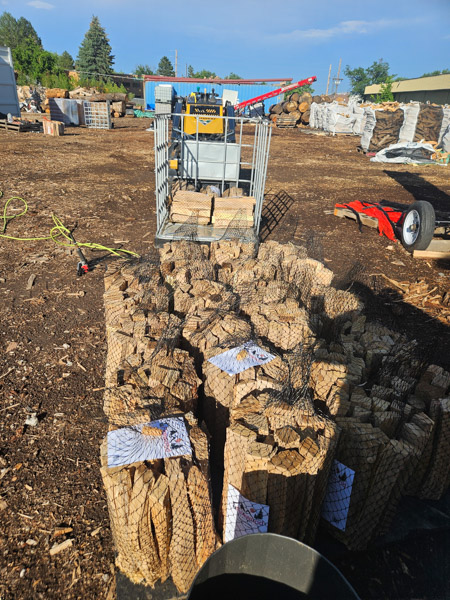
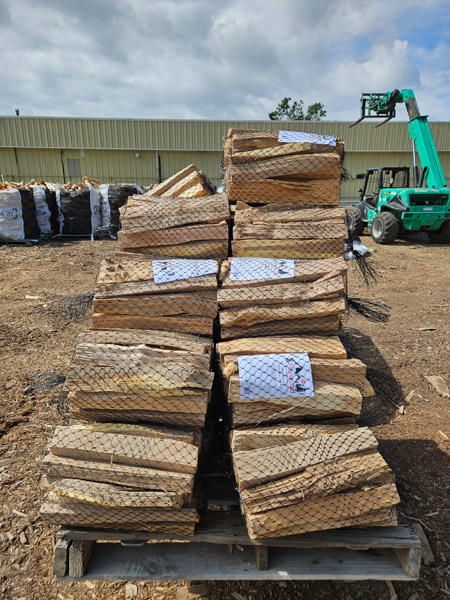
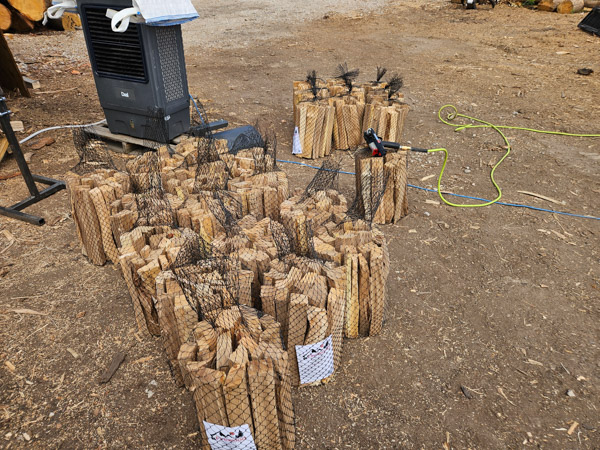
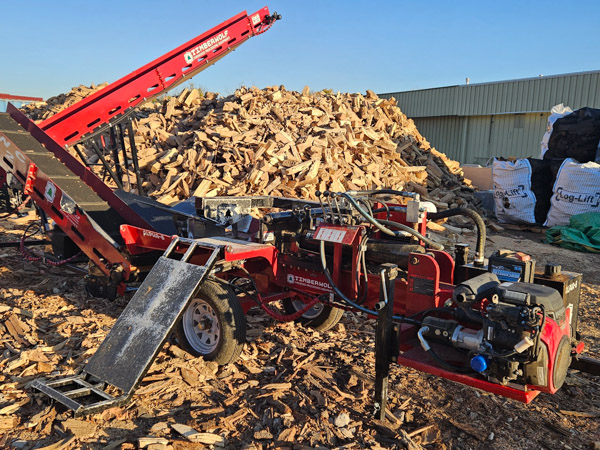
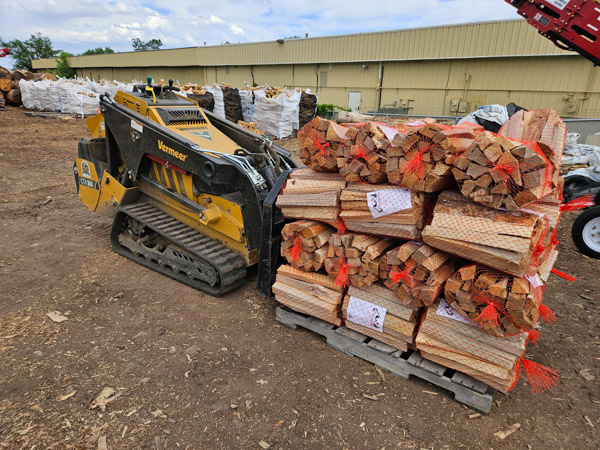
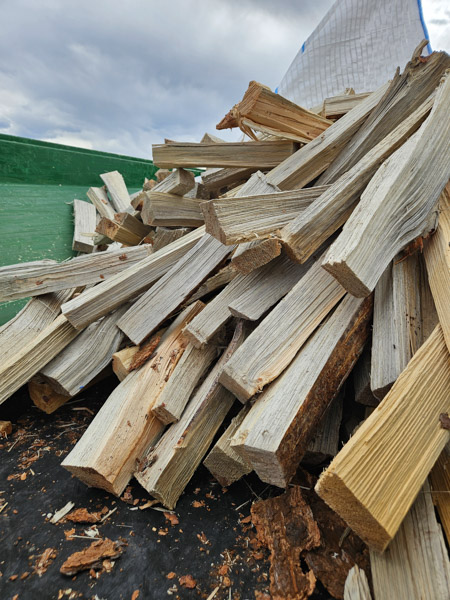
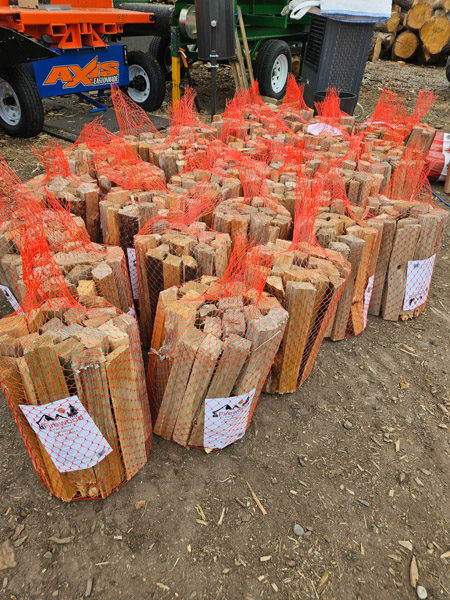
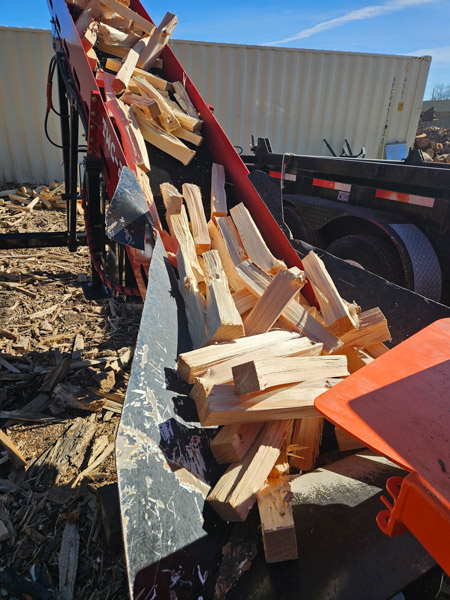
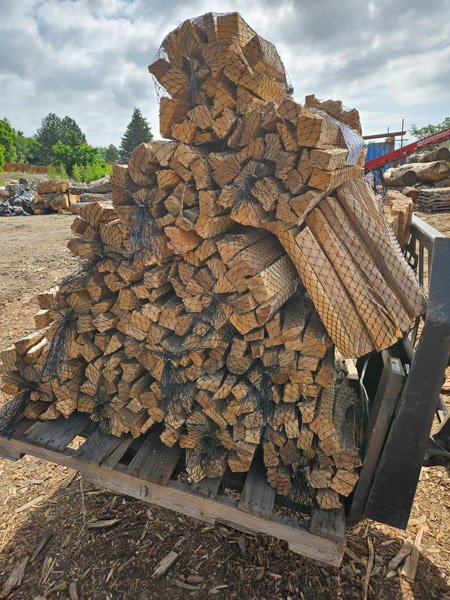
Most firewood bundles are an afterthought. Rough-cut chunks, inconsistent sizes, full of bark, hard to light, and messy to handle. We created our signature bundles because Colorado deserves better. Every piece we sell is hand-split and completely debarked — uniform enough to stack tightly, small enough to light fast, and clean enough to carry in your car without leaving a trail of bark and debris. We include firestarter in every bundle because a great fire shouldn’t require a degree in bushcraft. Stack it, tuck the firestarter underneath, light it. Done.
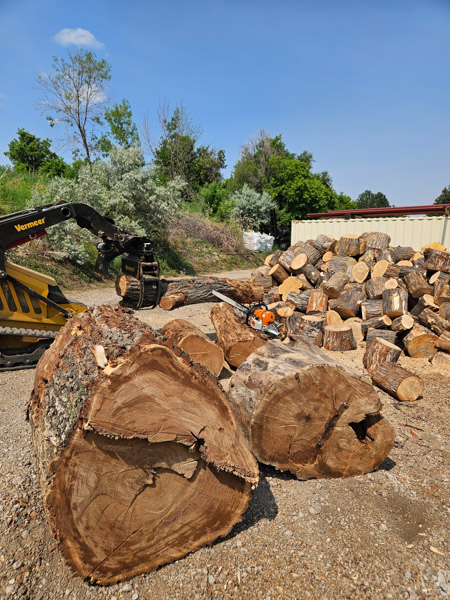
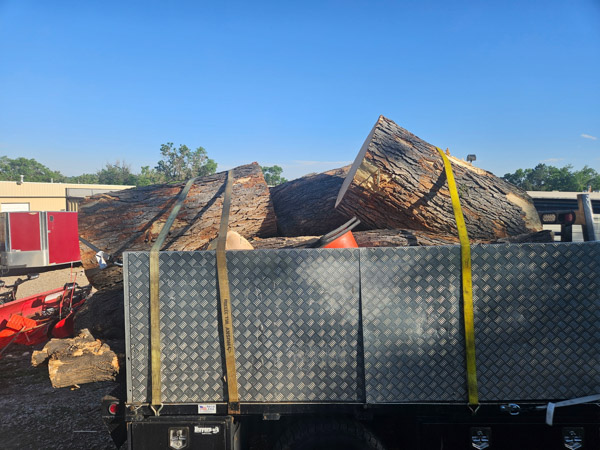
Every piece of wood we sell is locally sourced right here in Colorado — supporting local tree services and keeping our supply chain close to home. The result is a cleaner, more responsible firewood bundle that’s better for your fire, better for your community, and better for Colorado’s forests.
Firewood the way it should be. Barkless. Consistent. Ready to burn.
MORE WOOD. EVERY BUNDLE.
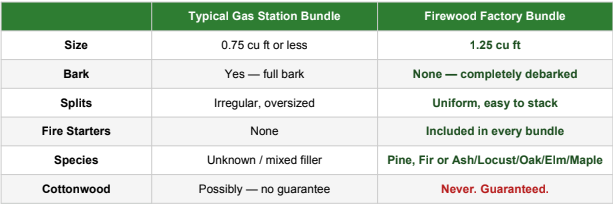
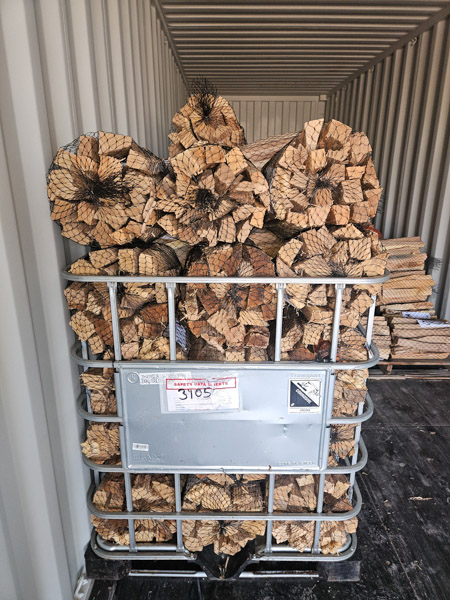
Take a close look at the firewood bundles at your local gas station or hardware store. Most are 0.75 cubic feet — and some are even smaller. You get 5 to 7 rough-cut pieces, full of bark, hard to stack, and often barely enough wood for one fire. Every Firewood Factory bundle is 1.25 cubic feet — that’s 67% more wood. And because our splits are barkless and uniform, they stack tighter and burn more efficiently. You get more pieces, more heat and more value in every bundle.


Who We Serve
- Campgrounds and RV Parks
- Ski Resorts and Mountain Lodge
- Retailers: Hardware Stores, Gas Stations, Outdoor Stores
- Restaurants with Wood-Fired Ovens and Pizza Shops
- Homeowners wanting Delivery
- Chief Fire Pit Operators and Outdoor Entertaining Enthusiasts
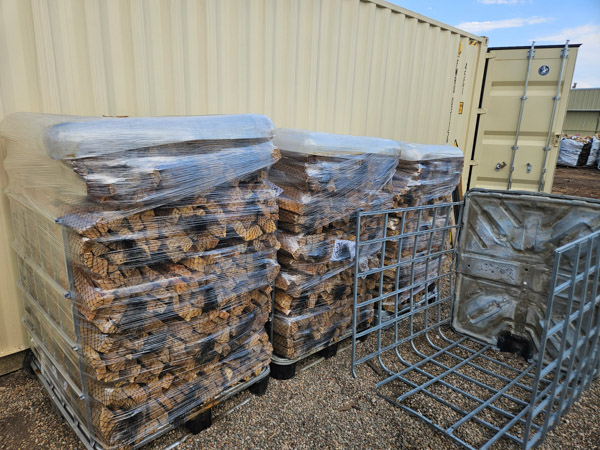
Wholesale and commercial accounts welcome. We supply 40-80+ bundle orders with consistent quality, reliable delivery and zero hassle.
Request Firewood Order
Choose Firewood Factory
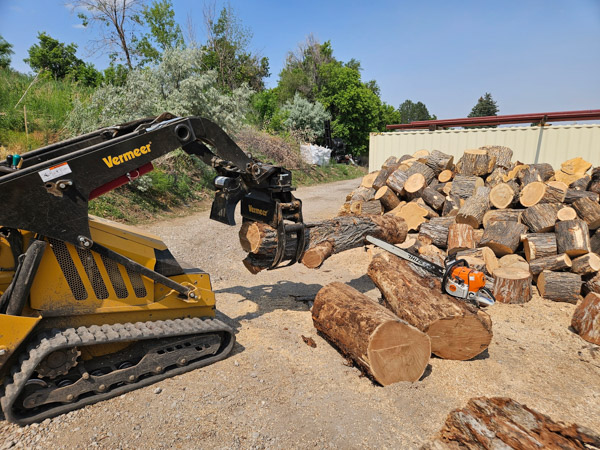
30 years of experience goes into every bundle and every cord we sell. We’re not a side operation — firewood is
our craft, and we take it seriously.
We created our signature bundles because we were tired of seeing substandard wood sold at premium prices.
Bark-on chunks that are hard to light, impossible to stack, and potentially carrying the very insects destroying
Colorado’s trees. There’s a better way to sell firewood. Cleaner. Better for the fire and better for the forest.
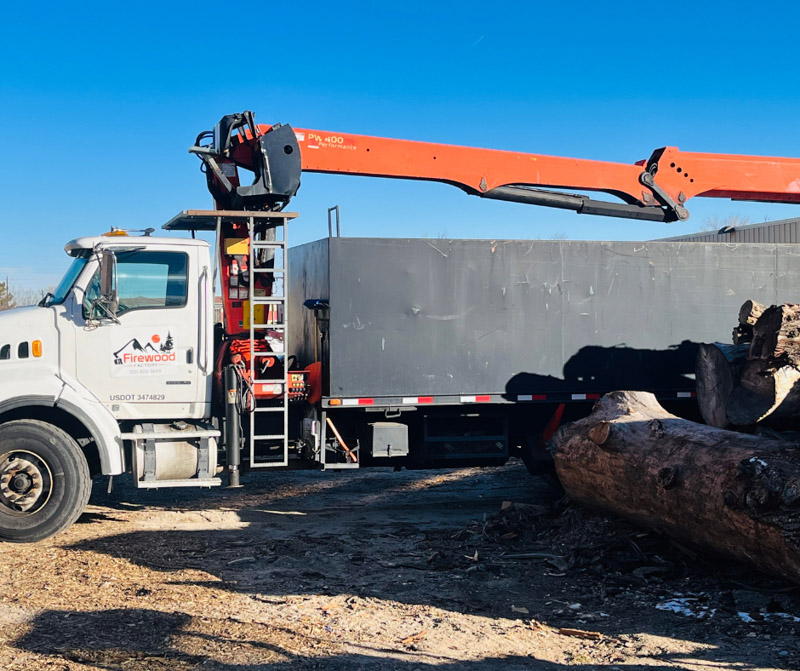
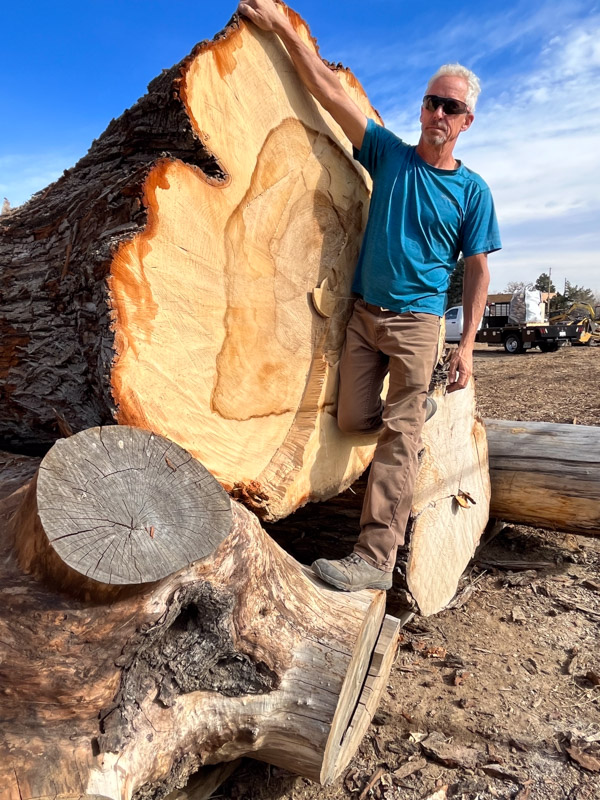
All of our wood is locally sourced from Colorado Tree Service Companies — keeping dollars in the community
and ensuring every bundle is the cleaner, more responsible choice from start to finish.
Based in Wheat Ridge, CO. Serving the Denver Metro and Front Range.
Delivery is $30 to any address within 20 miles of our shop in Wheat Ridge. For addresses beyond 20 miles, delivery is calculated at $3.00 per mile from Wheat Ridge to the delivery address.
Contact us to arrange or to discuss commercial account terms for recurring orders.
Call or text 720-822-3605 with questions.
(Very limited Softwood is available. Please call or text to check for Softwood)
A WORD ABOUT COTTONWOOD
Cottonwood is the most common filler wood in the Colorado firewood market. It’s cheap, abundant, and easy to
come by — which is exactly why so many firewood producers use it to pad out their bundles and bulk orders without telling you.
The problem is that Cottonwood is a poor firewood by every meaningful measure. It has low heat output, burns
fast, produces excessive smoke, and leaves you constantly feeding the fire. Aspen is similarly poor —
lightweight, low energy, and widely used as cheap filler.
At Firewood Factory, Cottonwood and Aspen are never used. Not in our bundles. Not in our bulk orders. Not
ever. When you buy from us you get exactly what we say you’re getting — Pine and Fir for softwood, and Ash,
Locust, Oak, Elm, and Maple for hardwood. Nothing else.
No fillers. No shortcuts. No Cottonwood. Guaranteed.
THE BARK PROBLEM — AND WHY IT MATTERS
Bark-on firewood is quietly devastating Colorado’s forests. This isn’t a scare tactic — it’s what foresters, the
Colorado State Forest Service, and Colorado State University Extension have been warning about for years.
Emerald Ash Borer (EAB)
The Emerald Ash Borer is a small metallic green beetle native to Asia that arrived in Colorado in 2013. It has
since spread to more than 20 Front Range cities — Boulder, Denver, Aurora, Golden, Wheat Ridge, Lakewood
and more — and it’s moving south toward Castle Rock and Colorado Springs.
EAB moves slowly on its own, only about a mile per year on the wing. But it travels fast on bark. Beetles lay
their eggs directly on bark, and the larvae burrow into the layer just beneath it — feeding on the tissue that
moves water and nutrients through the tree. By the time a tree shows visible symptoms, it has often been
infested for years. When bark-on firewood is loaded into a truck and driven across the state, those larvae come
along for the ride.
The Colorado State Forest Service said it plainly: “We’re only one piece of infected firewood away from EAB
spreading anywhere in the state.” The Denver metro area alone has an estimated 1.45 million ash trees at risk.
Mountain Pine Beetle (MPB)
The Mountain Pine Beetle is a native Colorado insect that has become catastrophic due to drought-stressed
trees and mild winters that allow more larvae to survive. Thousands of pine trees along the U.S. 285 and I-70
corridors are already turning brown. The outbreak was severe enough that the Governor signed an executive
order to slow its spread.
Like EAB, the Pine Beetle lives and reproduces in the space between bark and wood. Adults bore through the
bark to lay eggs in the phloem — the nutrient highway of the tree. When the eggs hatch, the larvae feed on the
inner bark and carve tunnels that cut off water and nutrients entirely. They also introduce a blue-stain fungus
that further blocks the tree’s ability to defend itself. Most trees die within a year of a successful attack.
Infested firewood moves these beetles far beyond their natural range — turning a backyard fire pit into an
unintentional delivery system for one of Colorado’s most destructive pests.
How Firewood Factory Helps
Both EAB and Mountain Pine Beetle depend on bark to lay eggs, overwinter, and spread. Remove the bark and
you remove that vector entirely. Our barkless processing isn’t just about cleanliness or aesthetics — it directly
addresses the mechanism by which these insects hitchhike on firewood.